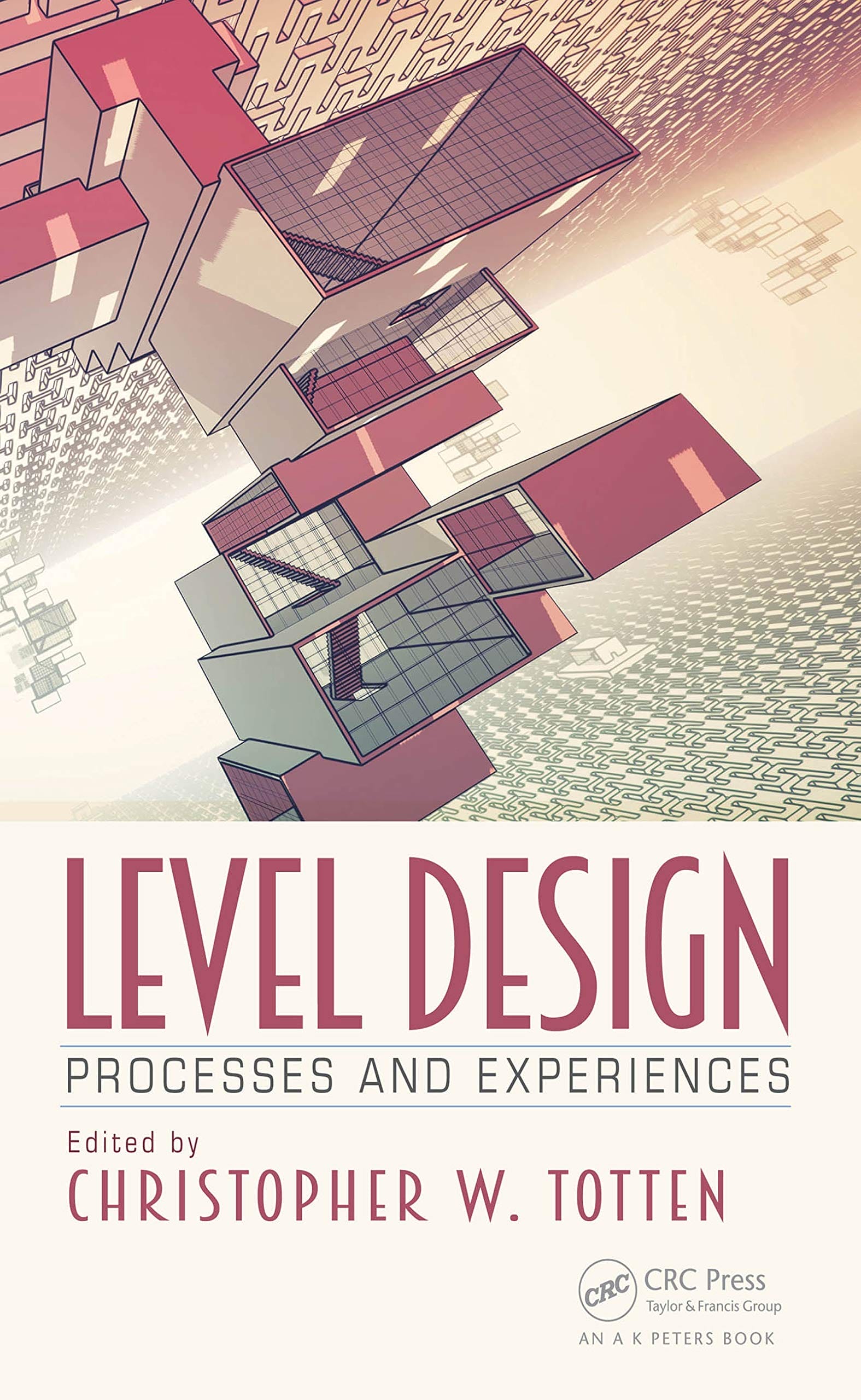
If you are looking for a deep dive into how professionals build worlds, you’ve likely seen Level Design: Processes and Experiences on every recommended reading list. In this review, we analyze whether Christopher Totten’s edited collection lives up to the hype for modern developers.
Today, I want to share with you my thoughts on the book Level Design Processes and Experiences. As someone who is aspiring to become a better level designer, I came across this book and it turned out to be an excellent resource for honing my skills.
In addition, I highly recommend combining it with the Architecture approach to level design for even more valuable insights.
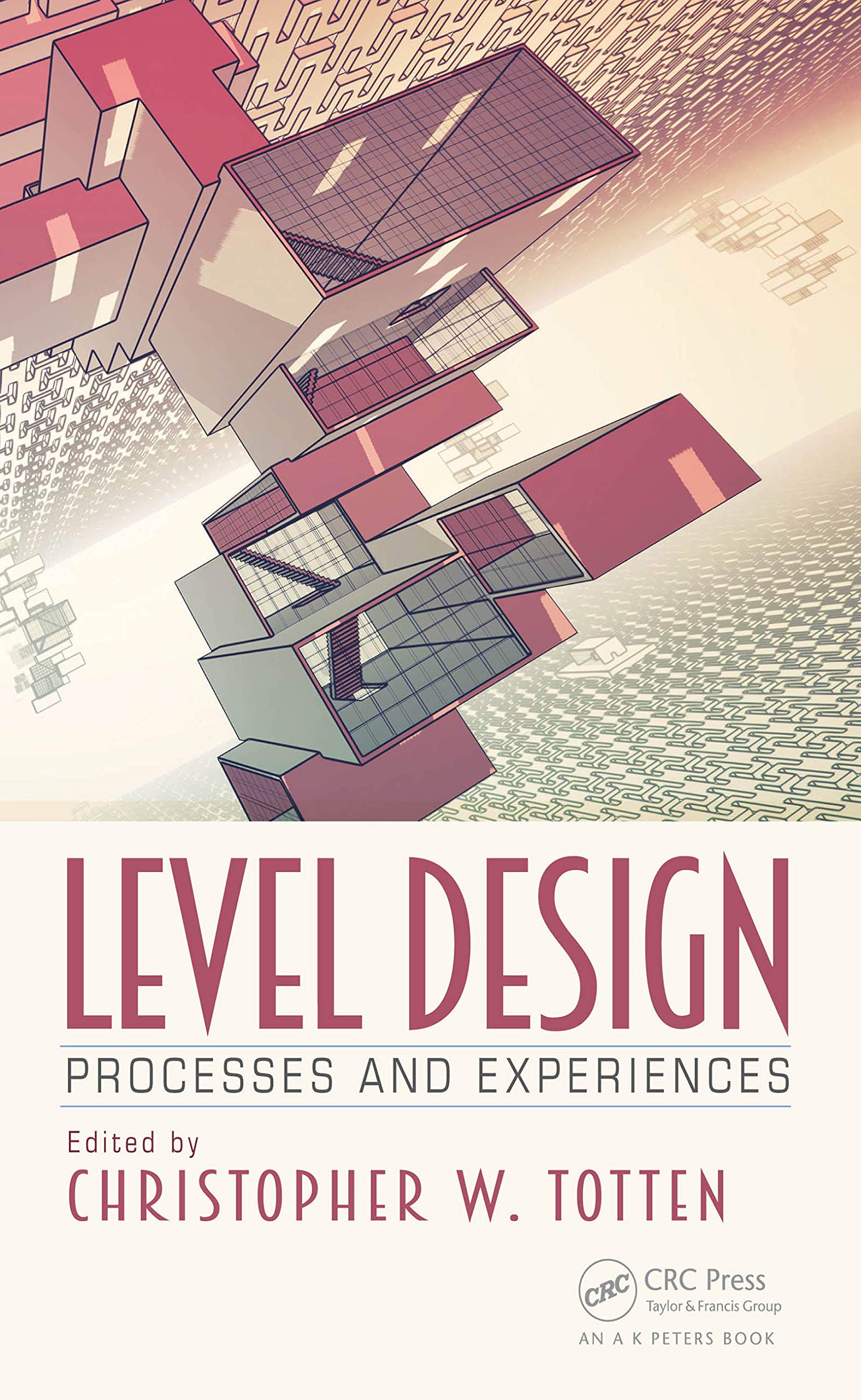
Level Design Processes and Experiences Pros and Cons
What We Liked
- The book provides practical and actionable advice for improving level design skills.
- It offers valuable insights and experiences from seasoned level designers.
- The content is well-structured, making it easy to follow and understand.
- The book covers a wide range of topics, ensuring a comprehensive learning experience.
- It serves as an excellent reference guide to revisit whenever faced with level design challenges.
What Can Be Improved
- Academic Tone—some chapters are dense and may be difficult for hobbyists without a background in design theory.
- It would be great to see more visual examples or case studies to supplement the written explanations.
Quick Verdict
In conclusion, Level Design: Processes and Experiences is a must-read for anyone looking to enhance their level design skills. It provides invaluable guidance, practical advice, and the expertise of experienced level designers. While there may be some delivery issues to be aware of, the content of the book far outweighs any concerns. I highly recommend checking out this book if you’re serious about improving your level design abilities.
Specifications
Here are some key specifications of Level Design: Processes and Experiences that set it apart:
- Edition: 1st
- ISBN-13: 978-1498745055
- Best Sellers Rank: See Top 100 in Kindle Store
- Print length: 408 pages
- Sticky notes: Not Enabled
- Word Wise: Not Enabled
- X-Ray: Not Enabled
- Enhanced typesetting: Not Enabled
- Text-to-Speech: Not enabled
- Simultaneous device usage: Up to 4 simultaneous devices, per publisher limits
- File size: 16702 KB
- Language: English
- Publication date: March 27, 2017
- Publisher: A K Peters/CRC Press; 1st edition (March 27, 2017)
- ASIN: B06XVW35KF
User-Guide
The documentation included with Level Design: Processes and Experiences proved to be an invaluable resource. It provided clear guidance on various aspects of level design, offering step-by-step instructions and practical insights. The user guide assisted me in understanding the concepts and applying them in my own projects. It enhanced my learning experience and allowed me to make the most out of the book’s content.
If you’d like to explore the documentation yourself, you can find it here.
Features – What We Found
Comprehensive guide to level design
This book, Level Design: Processes and Experiences, serves as a comprehensive guide to level design in the field of video games. It offers detailed insights and practical advice on various aspects of level design, including planning, design principles, prototyping, playtesting, and iteration. The author, Christopher Totten, draws from his extensive experience in the industry to provide readers with a wealth of knowledge and techniques that can be applied to create captivating and immersive game levels.
The book transitions from 2D platforming metrics (jump heights and tile-sets) to 3D environmental storytelling, explaining how to use ‘weenies’ (visual landmarks) to guide players without using floating arrows.
Pro-Tip: One of the highlights of this book is the inclusion of case studies throughout. These case studies analyze the level design of well-known games, providing valuable insights into the thinking and techniques behind successful level designs. By studying these examples and applying the principles discussed in the book, readers can enhance their own level design skills.
Integration of level design with other disciplines
The book emphasizes the importance of collaboration and integration of level design with other game development disciplines. It explores the relationship between level design and art, narrative, sound design, and gameplay mechanics, highlighting how these elements work together to create engaging experiences for players.
By understanding and considering the holistic nature of game development, level designers can create levels that harmonize with the overall vision of the game. The book provides practical tips on how to effectively communicate with artists, programmers, and other team members, ensuring that the level design aligns with the game’s aesthetics, mechanics, and narrative.
Contextual product_link: For further insight into the integration of level design with other disciplines, Totten explores real-world examples of successful collaborations in game development.
To delve deeper into this topic, visit the product link: Level Design: Processes and Experiences.
Exploration of player experiences
This book not only provides guidance on how to design visually appealing and technically sound levels but also delves into the player experience. It explores various player archetypes and the psychology behind what makes levels engaging, challenging, and enjoyable.
By understanding different player motivations and preferences, level designers can create levels that cater to a broad audience. The book discusses techniques to guide player attention, introduce variety and pacing, and create memorable moments within the levels. It also covers the importance of feedback and response systems, ensuring that players feel a sense of accomplishment and progression throughout the game.
In-depth analysis of player experiences, combined with practical design strategies, allows level designers to craft levels that resonate with players and create immersive gameplay experiences.
Iterative and playtesting-driven approach
The book emphasizes an iterative approach to level design, emphasizing the importance of playtesting and gathering feedback. It guides readers through the process of creating prototypes, playtesting them, and using the feedback to refine and improve the level design.
Through multiple iterations and continuous feedback, level designers can identify and address issues such as pacing problems, confusing layouts, or lack of player engagement. The book provides techniques for conducting effective playtests and outlines strategies to gather meaningful feedback from playtesters.
Pro-Tip: To make the most out of playtesting, the author suggests creating a strong feedback loop and involving the wider development team in the playtesting process. By involving different perspectives and gathering diverse feedback, level designers can gain invaluable insights to enhance their level designs.
Attention to accessibility and inclusivity
This book acknowledges the importance of creating inclusive and accessible gameplay experiences. It discusses techniques and considerations for designing levels that accommodate players with diverse abilities and preferences.
Feature 5 delves into the science behind inclusive level design, providing readers with a deeper understanding of how different aspects, such as difficulty scaling, visual clarity, and input options, can affect player accessibility. By applying these principles, level designers can create levels that are enjoyable and accessible to a wider range of players.
Understanding the science behind inclusive design allows level designers to make informed decisions that ensure their games are welcoming and inclusive for all players.
Our Review on Level Design: Processes and Experiences
Our Score: 91.0
I recently had the opportunity to read Level Design: Processes and Experiences, and I must say that it is an excellent book for anyone looking to enhance their skills as a level designer. The author, Christopher Totten, provides valuable insights and tips that can greatly help individuals trying to improve their level design abilities. As someone who is passionate about game development, I highly recommend this book to anyone interested in the field.
One aspect that I particularly enjoyed about this book is the emphasis on architecture approach to level design. Totten explains how understanding architectural principles can greatly enhance the quality of level design. By incorporating these principles, I was able to create more immersive and visually appealing levels. The book offers practical examples and case studies that illustrate the concepts effectively.
Unlike Totten’s first book, which focused strictly on architecture, ‘Processes and Experiences’ is an anthology. It bridges the gap between theoretical ‘spatial flow’ and the messy reality of production—like how to handle ‘Scope Creep’ in level design.
If you’re looking to improve your level design skills or gain a deeper understanding of the principles behind it, I highly recommend checking out Level Design: Processes and Experiences. This book offers valuable insights and practical advice that can help you take your level design to the next level.
You can find more interesting books review in our blog.
Related Posts:



Game Developer | Designer | Creative Storyteller
Matt Dogherby is a passionate game developer and designer based in Brisbane, Australia. With a career spanning over 15 years, Matt combines technical skill with a deep love for storytelling to create games that captivate and inspire. His unique perspective is shaped by the laid-back energy of Brisbane and his lifelong connection to the ocean, where he often trades coding sessions for surf sessions.